

trừu tượng
Nấm được biết đến là nguồn dinh dưỡng dồi dào, cung cấp nhiều hợp chất hoạt tính sinh học giúp tăng cường sức khỏe. Nấm có hương vị và mùi thơm đặc trưng và là nguồn cung cấp vitamin D thiết yếu.2, vitamin nhóm B, axit hydroxybenzoic (HBA) và axit hydroxycinnamic (HCA), tecpen, sterol và β-glucan. Các loại nấm ăn được như... Hericium erinaceus, Nấm Linh Chi sp., và Lentinula edodes Các loại nấm được công nhận là thực phẩm chức năng nhờ tiềm năng đáng kể trong việc phòng ngừa bệnh tật và tăng cường sức khỏe tổng thể. Chúng chứa các chất chống oxy hóa, chống viêm, bảo vệ tế bào, giảm cholesterol, chống tiểu đường, kháng khuẩn và chống ung thư, cũng như kiểm soát huyết áp, tăng cường miễn dịch và củng cố xương. Ngoài ra, chúng còn chứa các oligosaccharide không tiêu hóa được (NDO) thiết yếu và ergothioneine, một chất nền tiềm năng cho hệ vi sinh vật đường ruột. Bổ sung các loại nấm này vào bữa ăn hàng ngày có thể làm tăng giá trị dinh dưỡng, mang lại lợi ích cho sức khỏe. Các loại nấm ăn mới đang được nghiên cứu để khám phá các chất hoạt tính sinh học và đặc tính trị liệu của chúng, nhằm mang lại lợi ích cho sức khỏe con người. Cộng đồng khoa học (các nhà nấm học) hiện đang nghiên cứu triển vọng khai thác tối đa lợi ích sức khỏe của nấm. Bài đánh giá này nhằm mục đích nâng cao kiến thức về điều kiện nuôi trồng nấm, tiềm năng dinh dưỡng và các sản phẩm giá trị gia tăng của 11 loại nấm.
1. Giới thiệu
Hệ thống y học Ấn Độ, Ayurveda, nhấn mạnh rằng “Khi chế độ ăn uống sai lầm, thuốc men vô dụng. Khi chế độ ăn uống đúng đắn, thuốc men không cần thiết”. Trong bối cảnh này, nấm có thể đóng vai trò quan trọng trong việc cung cấp một chế độ ăn uống cân bằng và lành mạnh.1Nấm, một loại nấm ăn được có cấu trúc thịt chắc, to hoặc cứng cáp, được tìm thấy rất nhiều trên khắp thế giới. Khoảng 16.000 loại nấm ăn được khác nhau đã được xác định. Gần 7000 loại được công nhận về hương vị tuyệt vời và giá trị dinh dưỡng, và gần 3000 loại thường xuyên được đưa vào thực đơn hàng ngày.2Nấm Basidiomycetes, đặc biệt là những loài thuộc bộ Agaricales, nằm trong số những loài đáng chú ý nhất trong thế giới nấm đa dạng. Cấu trúc của nấm bao gồm một số thành phần chính: sợi nấm, sợi nấm hình cầu, mũ nấm, phiến nấm, bào tử, thân nấm, thể quả và vòng nấm.3Nấm có giá trị dinh dưỡng tuyệt vời, vì vậy, từ nhiều thế kỷ nay, nấm đã được đưa vào các bữa ăn và những lợi ích chữa bệnh của chúng đối với sức khỏe tổng thể đã được tận dụng.4Người ta ước tính có gần 1,5 triệu loài nấm khác nhau, trong đó các nhà khoa học đã xác định được khoảng 110.000 loại. Nhiều loại nấm mang lại hương vị phong phú và các chất dinh dưỡng thiết yếu; tuy nhiên, cần hết sức thận trọng vì một số loài có độc.5Nấm đã được sử dụng trong Y học cổ truyền Trung Quốc cho mục đích chữa bệnh từ 3000 đến 7000 năm trước. Ví dụ, nấm shiitake, tên khoa học là... L. edodes (Berk.) Pegler, đã được sử dụng trong cả dinh dưỡng và y học từ năm 600–1000 trước Công nguyên [6Các loại nấm này sản sinh ra các hợp chất hoạt tính sinh học như peptit, sterol, polysaccharid, protein và phenol, có thể được coi là thuốc tiềm năng.7Nhờ hàm lượng dinh dưỡng phong phú và đặc tính cảm quan tốt, nấm thường được chế biến thành nhiều món ăn khác nhau và cũng có thể dùng thay thế thịt.8Hồ sơ dinh dưỡng của nấm bị ảnh hưởng đáng kể bởi chất nền mà nấm hấp thụ, các thông số môi trường và giai đoạn trưởng thành của nó. Nấm chứa nhiều loại carbohydrate như glycogen, xylose, mannose, galactose, glucose và một số dạng không hòa tan như chất xơ, mannan, cellulose và chitin. Chúng cũng có một hợp chất quý giá được gọi là glucan, đặc trưng bởi các liên kết glycosidic ở β (1, 3), β (1, 4) và β (1, 6), khiến nấm trở thành một sự bổ sung tuyệt vời cho chế độ ăn uống lành mạnh.9Với hương vị umami độc đáo, nấm được sử dụng trong các món ăn hàng ngày đồng thời tăng cường giá trị dinh dưỡng của chúng.10Như Kaul đã nói, “Thuốc và thực phẩm có chung nguồn gốc” [11].
Bài đánh giá này nhằm mục đích cung cấp kiến thức đầy đủ về điều kiện nuôi trồng nấm và tiềm năng dinh dưỡng của các giống nấm khác nhau như... Nấm bào tử kép, Calocybe indica, Volvariella volvacea, Auricularia polytricha, Schizophyllum commune, G. lucidium, Pleurotus ostreatus, Grifola frondosa, H. erinaceus, Flammulina velutipes, Và L. edodesLợi ích sức khỏe của nấm bao gồm chống viêm, chống oxy hóa, chống tiểu đường, kháng khuẩn, tăng cường hệ vi sinh đường ruột và đặc tính chữa lành. Ngoài ra, chúng tôi cũng tìm hiểu về các sản phẩm chế biến từ nấm có sẵn trên thị trường. Bằng cách tổng hợp thông tin về cấu trúc, các hợp chất hoạt tính sinh học và các công dụng đa dạng của nấm, bài viết này nhấn mạnh tầm quan trọng của nấm như một nguồn thực phẩm độc đáo và quý giá, góp phần vào sức khỏe và hạnh phúc tổng thể.
2. Điều kiện nuôi cấy
Quá trình hình thành quả thể ở nấm được bắt đầu bởi mạng lưới sợi nấm trưởng thành. Nhiều loại nấm là nấm hoại sinh, đóng vai trò là tác nhân phân hủy quan trọng trong các hệ sinh thái đa dạng. Để trồng nấm thành công, các điều kiện trồng nấm phải được tối ưu hóa cẩn thận, và thành phần cũng như công thức của giá thể trồng nấm sẽ khác nhau tùy thuộc vào loài nấm được trồng.12Các nhà nghiên cứu ngày càng sử dụng chất thải nông nghiệp và công nghiệp làm chất nền, bao gồm cả chất thải nông nghiệp và công nghiệp có hàm lượng nitơ thấp.13,14Giá thể cũng bao gồm các vật liệu hữu cơ như phụ phẩm ngũ cốc (cám và vỏ), bột đậu nành và phân hữu cơ, cũng như các chất bổ sung vô cơ như muối amoni và phân bón, cung cấp nitơ cần thiết cho việc trồng nấm.15,16Ngoài ra, các loại đậu, ngô, đậu nành, lúa miến và bã từ hạt có dầu, mía và bông cũng có thể được sử dụng làm chất nền hữu cơ. Ngay cả bã gỗ cưa cũng được biết đến là chất nền hỗ trợ sự phát triển và ra quả của nấm.10Một số nghiên cứu đã sử dụng bã trà làm chất nền để nuôi trồng các loại nấm sò.17Vai trò của các yếu tố nội tại và ngoại tại đều có ý nghĩa ngang nhau trong việc trồng nấm. Các yếu tố nội tại bao gồm hàm lượng carbon và nitơ trong môi trường trồng, độ pH và môi trường dinh dưỡng thích hợp, trong khi các yếu tố ngoại tại bao gồm nhiệt độ, độ ẩm, ánh sáng và nồng độ khí (CO₂).2) [18,19,20Quá trình canh tác giúp tăng cường hiệu quả kinh tế của phế phẩm nông nghiệp để sản xuất nấm và cải thiện mối quan hệ giữa sợi nấm, chất nền và hệ thống đất.21Một số nghiên cứu đã khám phá việc sử dụng môi trường tổng hợp hoặc bán tổng hợp làm chất nền để nuôi cấy sợi nấm. Môi trường tổng hợp nhân tạo có thể cung cấp các chất dinh dưỡng cần thiết cho sự phát triển, bao gồm SDA (thạch Sabouraud dextrose), MYE (chiết xuất mạch nha men), YMEA (thạch chiết xuất mạch nha men) và PDA (thạch khoai tây dextrose). Ngoài ra, các môi trường nuôi cấy khoai tây được làm giàu như YPDA (thạch khoai tây dextrose men), PMA (thạch khoai tây mạch nha), CMA (thạch bột ngô), PDYA (thạch khoai tây dextrose men), PM (peptone mạch nha khoai tây), PCA (thạch khoai tây cà rốt), PGA (thạch khoai tây glucose) và PSG (gelatin sucrose khoai tây) đã được ghi nhận trong các nghiên cứu là chất nền hiệu quả cho việc nuôi cấy sợi nấm. Phân tích cho thấy rằng các môi trường tổng hợp như PDA và MEA cung cấp hiệu quả dinh dưỡng tối đa do thành phần dinh dưỡng phong phú của chúng, điều cần thiết cho sự phát triển tối ưu của nấm. Ảnh hưởng của môi trường nuôi cấy đến sự phát triển của sợi nấm thay đổi tùy thuộc vào loài và chủng nấm. Môi trường dinh dưỡng như PDA hoặc PGA, tiếp theo là MEA và MCM, được xác định là những lựa chọn tốt nhất để thúc đẩy sự phát triển của sợi nấm. Tuy nhiên, chất thải nông nghiệp và thực phẩm chứa một lượng đáng kể các hóa chất có nguồn gốc tự nhiên, có thể dẫn đến sự tăng trưởng sinh khối lớn hơn so với môi trường tổng hợp và bán tổng hợp. Nhiệt độ nuôi cấy tối ưu cho sợi nấm thường liên quan đến nguồn gốc di truyền của nấm và điều kiện môi trường mà nó phát triển tự nhiên. Hầu hết các loài nấm Basidiomycetes phát triển mạnh ở nhiệt độ từ 20 đến 30 °C, trong khi một số loài ưa nhiệt độ cao hơn, từ 35 đến 37 °C.14,19,22].
3. Tiềm năng dinh dưỡng của nấm
Nấm ăn được trồng với một lượng nhỏ các chất dinh dưỡng thiết yếu, bao gồm một lượng nước, carbohydrate, protein, lipid, chất xơ, chất dinh dưỡng đa lượng và vi lượng.23,24Nấm chứa cả chất chuyển hóa sơ cấp và thứ cấp. Chất chuyển hóa sơ cấp chịu trách nhiệm sản sinh năng lượng, trong khi chất chuyển hóa thứ cấp chịu trách nhiệm về các đặc tính dược liệu.1Đặc điểm cảm quan và hàm lượng dinh dưỡng cao của các loại nấm lớn này góp phần vào sự phổ biến ngày càng tăng của chúng. Nấm ăn được rất giàu protein, chiếm từ 19–351 TP3T khối lượng khô, trong khi carbohydrate chiếm từ 50–651 TP3T khối lượng khô, khiến nấm trở thành nguồn cung cấp chất xơ dồi dào và chất lượng cao. Hơn nữa, nấm có hàm lượng lipid thấp, dao động từ 21 TP3T đến 61 TP3T khối lượng khô, và được coi là ít calo.25Những hợp chất mạnh mẽ này mang lại nhiều lợi ích cho sức khỏe, bao gồm khả năng kháng khuẩn, bảo vệ chống lại tổn thương oxy hóa và đặc tính chống viêm. Hơn nữa, nấm còn thể hiện các hoạt tính chống tiểu đường, chống ung thư, chống virus và chống điều hòa miễn dịch, khiến chúng trở thành những thành phần quý giá trong việc phát triển thực phẩm chức năng.26,27,28Nấm cũng chứa nhiều hợp chất hoạt tính sinh học bao gồm ancaloit, ergosterol, polysaccharid, polyphenol, terpenoid, lectin, glycoprotein, sesquiterpen, sterol và lacton. Nồng độ của các chất hoạt tính sinh học này thay đổi đáng kể tùy thuộc vào một số thông số, bao gồm điều kiện nuôi cấy, chủng loại, điều kiện bảo quản, chất nền và điều kiện chế biến.29Thành phần dinh dưỡng của một số loại nấm ăn được được trình bày trong [tham khảo]. Bảng 1.
Bảng 1. Thành phần dinh dưỡng của các loại nấm khác nhau.

3.1. Carbohydrate
Nấm là thực phẩm ít calo do hàm lượng carbohydrate thấp, lượng đường tối thiểu (không có glucose) và hàm lượng chất xơ cao. Chúng chứa nhiều loại carbohydrate bao gồm các đường đơn như sucrose, xylose, glycogen, rhamnose, mannose, fructose, galactose, mannose và xylose, và các polysaccharid như cellulose, glycoprotein, α-glucan và β-glucan, glucan, mannoglucan, heteroglycan, galactomannan và lentinan.41,42Nấm cũng giàu chất xơ, chủ yếu là các polysaccharid không tinh bột, trong đó 4 đến 9% là chất hòa tan và 22 đến 30% là chất không hòa tan.43Chúng chứa các carbohydrate không tiêu hóa được, chẳng hạn như chitin và (1→3)-β-d-glucan, giúp tăng cường sức khỏe đường ruột, và các thành phần chính của thành vách tế bào là β-glucan và polysaccharid. Ngoài ra, nấm còn chứa các oligosaccharid không tiêu hóa được (NDO) bao gồm các phân tử carbohydrate có ít hơn 20 đơn vị monosaccharid được nối với nhau bằng liên kết glycosidic. Các NDO này có khả năng chống lại sự thủy phân bởi các enzyme tiêu hóa trong nước bọt và ruột, liên quan đến nhiều lợi ích khác nhau, bao gồm đặc tính chống mầm bệnh và tiền sinh học. Cá nhân có thể tăng lượng NDO hấp thụ thông qua các nguồn thực phẩm, như nấm, và các chất bổ sung có nguồn gốc từ thể quả khô hoặc các sản phẩm dựa trên sợi nấm từ các loài nấm.44,45,46Mặc dù nấm có ít chất xơ hơn rau và trái cây, chúng vẫn là một lựa chọn ăn uống bổ dưỡng, ít năng lượng, đặc biệt có lợi cho người mắc bệnh tiểu đường loại II và những người muốn giảm cân. Do chỉ số đường huyết (GI) và tải lượng đường huyết (GL) thấp, chúng không gây ra hiện tượng tăng đột biến lượng đường trong máu.47,48]. TRONG L. edodesCác polysaccharid quan trọng như emitanin, lentinan (một β-(1,3)-D-glucan giúp tăng cường hiệu quả của thuốc hóa trị) và KS-2 được phát hiện có lợi cho sức khỏe [49].
3.2. Protein
Nấm ăn thường giàu protein, mặc dù hàm lượng protein thay đổi đáng kể tùy thuộc vào loài nấm, giai đoạn sinh trưởng và môi trường nuôi cấy. Chúng chứa các axit amin thiết yếu như lysine, valine, tryptophan, isoleucine, methionine, leucine và threonine. Nấm cũng cung cấp các protein như lectin, laccase, histidine, phenylalanine và cysteine.50,51,52,53Các loại nấm đáng chú ý của Pleurotus Các loài này có protein chất lượng cao nhờ sự phân bổ hiệu quả các axit amin thiết yếu và không thiết yếu như axit gamma-aminobutyric (GABA), một chất dẫn truyền thần kinh quan trọng.50So với các nguồn thực phẩm khác, hàm lượng protein trong nấm ăn được khá cạnh tranh.54Thực phẩm có nguồn gốc động vật (trọng lượng khô) chứa protein, với tỷ lệ ít nhất là 27% đối với sữa, 37–83% đối với thịt, 53% đối với trứng và cao nhất là 58–90% đối với cá và động vật giáp xác [55Ngược lại, các nguồn thực vật như các loại đậu chứa 22–40%, ngũ cốc 8–18%, các loại hạt 4–20%, các loại hạt khác 18–32% và củ chứa ít hơn 10% [56,57Một số loài nấm ăn được, A. bào tử nấm 32.10%, H. erinaceus 22.30%, và L. edodes 22.80%, cung cấp nồng độ protein tương đương hoặc vượt quá nồng độ protein có trong các nguồn gốc động vật như sản phẩm từ sữa, thịt, trứng và hải sản [54,58,59,60,61Do đó, các loại nấm ăn được này представляют nguồn protein chất lượng cao đặc biệt, dễ tiếp cận hơn, tiết kiệm chi phí hơn và có tác động môi trường thấp hơn, và vì vậy, trong tương lai, chúng sẽ trở thành một lựa chọn thay thế hấp dẫn cho cả protein có nguồn gốc từ động vật và nhiều lựa chọn protein có nguồn gốc thực vật khác nhau.62Ergothioneine (EGT) là một hợp chất chứa lưu huỳnh độc đáo và có hoạt tính loại bỏ gốc tự do tuyệt vời. EGT được tìm thấy với nồng độ cao trong các loài nấm như nấm gà rừng, nấm linh chi, nấm thùy vua, nấm kim châm và nấm sò.62,63,64,65Nó có liên quan đến một số lợi ích sức khỏe, bao gồm tỷ lệ mắc chứng mất trí nhớ và bệnh tim mạch thấp hơn, tác dụng chống viêm và bảo vệ tế bào, và thậm chí có thể dẫn đến tuổi thọ cao hơn. Nấm có hàm lượng ergothioneine cao hơn nhiều so với ngũ cốc, rau và thịt.64,66Do đó, nấm ăn được là loại thực phẩm hấp dẫn với nhiều lợi ích dinh dưỡng đáng kể, góp phần vào sức khỏe tổng thể.
3.3. Chất béo
Nấm ăn được là một loại thực phẩm ít calo với hàm lượng chất béo tối thiểu (4–6%). A. bisporus, Loại nấm này, còn được gọi là nấm nút, có tổng hàm lượng chất béo dao động từ 0,34 đến 2,2 g trên 100 g trọng lượng khô.67,68Ba axit béo chính có trong nấm ăn được là axit linoleic (C18:2), axit oleic (C18:1) và axit palmitic (C16:0). Axit linoleic có tác dụng giảm lượng lipid trong máu và giúp làm giảm các triệu chứng viêm khớp.50Ngoài ra, các loại nấm này rất giàu axit béo không bão hòa đa (PUFA), đặc biệt là axit oleic (1,1–12,3 g/100 g trọng lượng tươi (FW)), axit stearic (1,6–3,1 g/100 g FW), axit palmitic (10,3–11,9 g/100 g FW) và axit linoleic. Ergosterol (ergosta-5,7,22-trien-3b-ol) được xác định là sterol phổ biến nhất trong các loại nấm ăn được.68Mặc dù nấm có đặc điểm là hàm lượng calo và chất béo thấp, nhưng chúng lại có tỷ lệ axit béo không bão hòa đa cao hơn đáng kể so với axit béo bão hòa.69].
3.4. Vi chất dinh dưỡng
Nấm rất giàu các loại vitamin khác nhau, chẳng hạn như vitamin nhóm B (B).1, B2, B3, B9và B12), vitamin C, vitamin D2và vitamin E cùng các khoáng chất như canxi, cadmium, magiê, phốt pho, sắt, natri, coban, kẽm, kali, đồng, titan, selen và molypden [50,70,71Tocopherol (α, β, γ và δ) là một loại vitamin có trong nhiều loại nấm khác nhau.24,71,72Nấm được biết đến với hàm lượng kali cao và hàm lượng natri thấp, vì kali làm giảm căng thẳng trong mạch máu và cuối cùng giúp hạ huyết áp.70]. A. bào tử nấm Đặc biệt giàu Na, Li và K, nhưng nghèo Cu, Mn, Cr, Co, Pb, Ni và Zn [73]. H. erinaceus Chứa hàm lượng cao các nguyên tố K, P và Mg, tiếp theo là Na, Fe, Ca, Zn, Al, Cu, Li, Mn và Ba. G. lucidium Chứa hàm lượng cao các nguyên tố K, P và Ca, tiếp theo là Mg, Na, Fe, Al, B, Zn và Cu, và hàm lượng Mn thấp nhất.74].
3.5. Các hợp chất hoạt tính sinh học
Nấm chứa nhiều thành phần hoạt tính sinh học đa dạng, bao gồm axit phenolic, glycoside, chất dễ bay hơi, alkaloid, flavonoid, axit hữu cơ và nhiều chất xúc tác sinh học như amylase, cellulase, laccase, lipase, pectinase, protease, phytase và xylanase. Các thành phần phenolic được tìm thấy trong nấm bao gồm axit gallic, axit p-coumaric, axit caffeic, axit p-hydroxybenzoic, axit protocatechuic và pyrogallol.75,76Phần lớn các axit phenolic trong nấm là axit hydroxybenzoic (HBA) và axit hydroxycinnamic (HCA). HBA có thể được tìm thấy trong các hợp chất phức tạp như tanin, lignin và axit hữu cơ, trong khi HCA gắn liền với các thành phần vách tế bào như lignin, cellulose và protein. Các HCA phổ biến nhất được tìm thấy trong nấm bao gồm axit ferulic, sinapic, caffeic và p-/o-coumaric, đóng vai trò quan trọng trong quá trình sinh tổng hợp lignin, khả năng kháng bệnh và điều hòa sinh trưởng.77,78Thủy phân kiềm nhẹ là phương pháp hiệu quả nhất để chiết xuất chúng. Trong nấm, chủ yếu là các este axit quinic, và cả axit gallic, gentisic, homogentisic, p-hydroxybenzoic, protocatechuic, 5-sulphosalicylic, syringic, vanillic và veratric, là những dẫn xuất HBA thường gặp nhất.24,71,72Anthocyanidin, biochanin, flavanol, flavone, isoflavone, flavanone, catechin, chrysin, myricetin, hesperetin, naringenin, naringin, formometin, resveratrol, quercetin, pyrogallol, rutin và kaempferol là một số flavonoid có trong nấm.72Cấu trúc của các hợp chất hoạt tính trong nấm được trình bày trong [tham khảo]. Hình 1Hàm lượng các hợp chất hóa học có hoạt tính sinh học này trong nấm phụ thuộc vào chất nền, điều kiện nuôi cấy, điều kiện bảo quản và quy trình chế biến.48]. G. lucidum sản xuất một số dẫn xuất terpen, bao gồm ganoderal, axit ganoderic, lucidone, ganodermanondiol, ganodermic và ganodermanontriol [49]. H. erinaceus được biết đến với hericenones (AJ, I, L và K), erinacines (AK, PV, Z1 và Z2) [79,80], Và L. edodes chứa một loại polysaccharid được gọi là lentinan [81Các phân tử hoạt tính sinh học, lợi ích sức khỏe và các sản phẩm thực phẩm được chế biến từ nhiều loại nấm được trình bày trong [tham khảo]. ban 2.
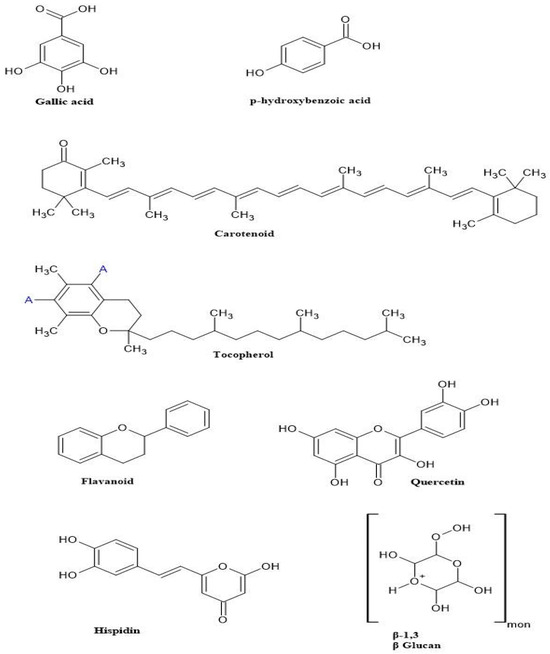
Bảng 2. Các phân tử hoạt tính sinh học, lợi ích sức khỏe và các sản phẩm thực phẩm được chế biến từ nhiều loại nấm.
4. Hiệu quả điều trị của nấm
Nấm dược liệu rất giàu các hợp chất hoạt tính sinh học như axit phenolic, lectin, β-glucan, polysaccharid và terpenoid, mang lại nhiều lợi ích cho sức khỏe, có thể cải thiện đáng kể chất lượng cuộc sống.107,108Các hợp chất này sở hữu nhiều đặc tính khác nhau, bao gồm tác dụng tiền sinh học, điều hòa miễn dịch, chống oxy hóa, bảo vệ gan, chống viêm, chống tăng lipid máu, gây độc tế bào, chống ung thư, chống oxy hóa, giảm cholesterol, chống tiểu đường, chống dị ứng, kháng virus, kháng khuẩn, chống ký sinh trùng, kháng vi sinh vật, kháng nấm, loại bỏ gốc tự do, tác dụng lên hệ tim mạch, làm lành vết thương và giải độc.27,60,106,109,110,111Nhiều loại nấm được biết đến với các đặc tính chữa bệnh. Ví dụ, G. lucidum thường được gọi là 'vua của các loại nấm dược liệu', cùng với L. edodes (nấm shiitake) và G. frondosa (nấm maitake), được sử dụng rộng rãi cho mục đích y học ở nhiều vùng của châu Á [77,105,112Các nghiên cứu trong ống nghiệm, thử nghiệm trên động vật sống và thử nghiệm lâm sàng trên người đã làm sáng tỏ rằng chiết xuất nấm và nấm tươi ăn được mang lại nhiều lợi ích trị liệu, như sẽ được trình bày chi tiết trong phần thảo luận tiếp theo.
4.1. Đặc tính chống viêm
Viêm là một cơ chế bảo vệ trong đó lưu lượng máu tăng lên tại vị trí mô bị nhiễm trùng, đóng vai trò quan trọng trong quá trình chữa lành bằng cách loại bỏ các tế bào có hại.113Tuy nhiên, viêm nhiễm cũng dẫn đến sự phá hủy tế bào, điều cần thiết cho quá trình phục hồi. Nấm có những đặc tính cho phép chúng tác động trực tiếp lên tình trạng viêm. Lipid của chúng, giàu axit béo không bão hòa, thể hiện đặc tính chống viêm vì các axit béo này là tiền chất của eicosanoid tham gia vào việc cân bằng các quá trình viêm và chống viêm.114Các loài nấm như Nấm Agaricus sp., Pleurotus sp., và Termitomyces sp. exhibit a high abundance of polysaccharides and synthesize biomolecules that play a pivotal role in the protection of joints against inflammatory mechanisms [83,115]. A study was conducted on the mushroom variety Cordyceps spp. containing the nucleoside compound cordycepin, which stimulates the generation of interleukin 10; as a result, it is an anti-inflammatory cytokine compound [116]. H. erinaceus has also been shown to have anti-inflammatory effects that were demonstrated for both H. erinaceus Và H. echinacea-derived erinacine A, which protect against brain-ischemia-induced neuronal cell death in rats. The mechanism was the suppression of iNOS and MAPK, lowered proinflammatory cytokines, and the mushroom’s nerve development capabilities [117].
4.2. Healing Property
Healing is categorized into four stages: hemostasis involving blood clotting, inflammation, proliferation pertaining to tissue growth, and maturation encompassing tissue re-modeling. The repair process is complex and involves various cellular mechanisms such as epithelial cell stimulation, cytokine release, and growth factors. The extract and metabolites from varieties like G. lucidum Và A. blazei (polysaccharides) showed wound-treating properties, including different mechanisms such as epithelial cell stimulation, cytokines, and growth factor release [118]. Chitinous polymers were extracted from the common A. bào tử nấm mushrooms by employing straightforward methodologies and subsequently transformed into continuous fibers utilizing a specially designed laboratory-scale fiber-spinning apparatus. The resultant spun fibers consist of an array of chitin fibrils embedded within a glucan matrix, with their fiber dimensions meticulously governed by the specifications associated with needle gauges. After 30 s of contact with a small amount of water (<10 μL), all mushroom chitin fibers demonstrated self-healing characteristics. A microblade may successfully restore macroscopically injured mushroom chitin strands’ natural form and tensile characteristics, as indicated by the enhanced self-healing capability for tensile strength (reaching 119%) and breaking strain (attaining 132%). This implies that the process of swelling and deswelling of mushroom chitin fibers may have resulted in the interlocking of chitin fibrils and glucan across the impaired fiber surfaces, resulting in significant self-healing activity [118]. A study was conducted on G. luciderma in rats, in which indomethacin caused stomach mucosal lesions, and the polysaccharide fraction induced peptic ulcers for healing in rats [27].
4.3. Enhancing Gut Microflora
Prebiotics are “a substrate that is selectively utilized by host microorganisms conferring a health benefit” [119]. Mushrooms are valuable sources of prebiotics including polyphenols, oligosaccharides, and fibers, which enhance the metabolic activity of beneficial members of gut microflora [117]. A mushroom G. lucidum contains polysaccharides and peptides that are non-digestible by pathogens, preventing their multiplication and thereby altering the gut microbiota [11,113]. These indigestible polysaccharides derived from mushrooms serve a prebiotic role, suppressing the proliferation of pathogenic bacteria within the gastrointestinal tract while enhancing the growth of beneficial probiotic bacteria. G. lucidum, H. erinaceus, L. edodes, Và G. frondose are among the most frequently reported edible mushrooms known to modulate gut flora [119,120]. β-glucan, a type of polysaccharide found in mushrooms, can be fermented by gut bacteria, leading to beneficial changes in the host’s microbiome [49]. The diagrammatic representation of how a mushroom-based diet enhances gut microflora is depicted in Hình 2.
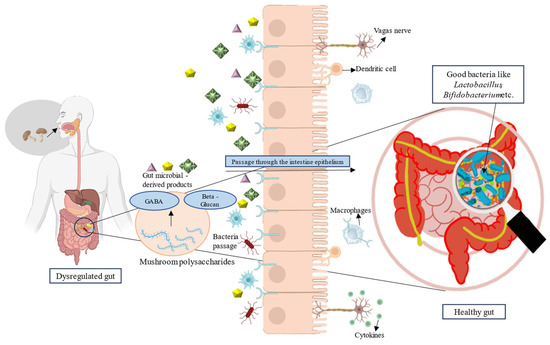
Figure 2. Mushrooms as a potential prebiotic.
4.4. Anticancer Properties
Cancer is a fatal disease causing over 10 million deaths yearly according to the World Health Organization (WHO). Research has demonstrated that polysaccharides derived from mushrooms can inhibit tumor progression by enhancing the immune response, particularly through their impact on natural killer (NK) cells and macrophages via T-cell activation and cytokine secretion [121]. Polysaccharides from mushrooms can impede tumor progression by augmenting the immune response through their influence on natural killer cells and macrophages mediated by T-cell activation and cytokine secretion [122,123,124]. Notably, nearly 200 species of edible mushrooms demonstrated the capacity to reduce the growth of various cancer cells [125]. Specific compounds found in different mushroom species have been identified for their antitumor properties. For instance, A. bào tử nấm contains quinone 490 and 1-oleoyl-2-linoleoyl-3-palmitoyl glycerol, and ganoderiol F and ganodermanontriol in G. lucidum and galactoxyloglucan in H. erinaceous have shown potential in combating cancer [68]. Mushrooms are rich in various anticancer components such as antroquinonol, krestin, cordycepin, lectin, sulfated polysaccharide hispolon, lentinan, and maitake D fraction [121,126]. The polysaccharide β-glucan is acknowledged for its role in augmenting immune functionality through the stimulation of cytokine synthesis, which subsequently triggers the activation of both phagocytes and leukocytes [80,127]. L. edodes contains lentinan and lectins, which demonstrated cytotoxic effects on breast cancer cells [128]. Studies indicate that hispolon, an active polyphenol compound, demonstrates potent antineoplastic effects through multiple mechanisms, including the upregulation of death receptors and downregulation of antiapoptotic proteins like c-FLIP, Bcl-2, and Bcl-xL. Furthermore, hispolon enhances the effectiveness of chemotherapeutic agents, making it a promising candidate for cancer therapy [129]. Furthermore, G. lucidum contains certain polysaccharides that are beneficial for mitigating colorectal cancer symptoms as they reduce the expression of rectal cancer-related genes. These polysaccharides also demonstrate cancer-preventive and therapeutic actions by dynamically controlling the gut microbiota and host immune responses. G. lucidum polysaccharides can modulate the immune system by activating and expressing cytokines related to inflammation (e.g., interleukin-1, interleukin-6, and tumor necrosis factor-α) and antitumor activity (e.g., interferon-γ and tumor necrosis factor-α). A contemporary in vivo study underscored that a newly identified acid-soluble polysaccharide extracted from G. frondosa exhibited protective effects on the thymic and splenic tissues of mice with tumors, concurrently inhibiting the proliferation of H22 solid tumors. These bioactive compounds markedly enhanced the functional activities of natural killer (NK) cells, macrophages, CD19+ B cells, and CD4+ T cells, ultimately facilitating apoptosis of H22 cells through the induction of G0/G1-phase cell cycle arrest [123]. A diagrammatic representation of the mushroom polysaccharides working as anticancer agents is presented in Hình 3.
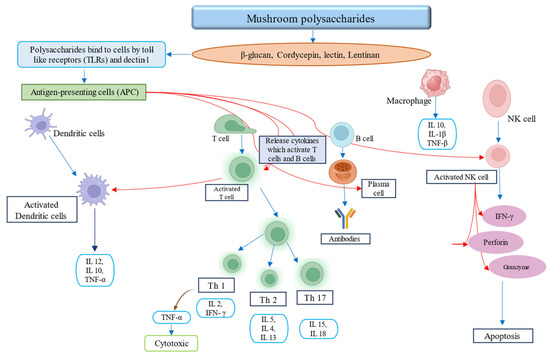
Figure 3. Mushrooms contain certain polysaccharides for the immune response.
4.5. Antioxidant Properties
Oxidative stress can damage DNA, protein, and cell membranes, which eventually leads to various major diseases such as tumors, diabetes, neurodegenerative diseases, and kidney disease [129]. Polysaccharopeptides found in mushrooms can improve overall fitness by triggering enzymes that remove free radicals and reduce oxidative stress [87]. Mushrooms contain a variety of antioxidant compounds including ergothioneine, ergosterol, carotenoids, phenolics, tocopherols (vitamin E), ascorbic acid (vitamin C), polysaccharides (acidic polysaccharides), and amino acids [hydrophobic amino acids (HAAs) like leucine, isoleucine, valine methionine, proline, alanine, etc.] [123,130,131]. For example, P. ostreatus extract has been demonstrated to increase catalase gene expression and diminish free radical-induced protein oxidation in adult rats, protecting against age-related illnesses. The ethanolic extract of dietary P. ostreatus mushrooms inhibits lipid peroxidation, chelates ferrous ions, reduces ferric ions, and quenches 2,3-diazabicyclo. Another study attributed the superior antioxidant properties of P. ostreatus to its carbohydrate component—specifically, β-glucan—which may be responsible for its efficacy [24,132,133]. Furthermore, P. ostreatus mushrooms provide a wealth of antioxidants in food sectors, particularly as food additives [134]. An antioxidant assay determined the free radical scavenging activity of A. bào tử nấm polysaccharide extracts. At 250 μg/mL, the extract displayed an 86.1% free radical scavenging activity, which was substantially greater (P < 0.01) than BHT (83%) [29]. As a result, mushroom consumption may enhance an individual’s antioxidative capacity, thereby reducing oxidative stress in the body [119]. The stabilizing of free radicals is shown in hinh 4.
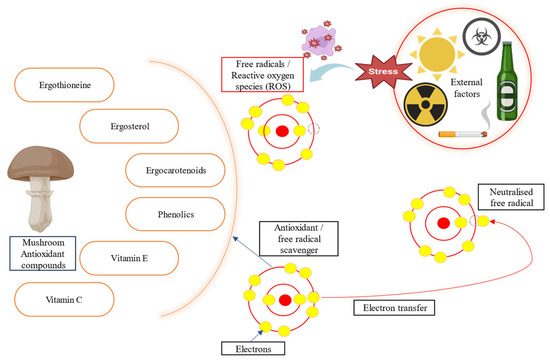
Figure 4. The antioxidant power of mushroom.
4.6. Antidiabetic Properties
Antidiabetic compounds in various mushroom species typically exhibit the following effects: (1) prevention of β cells’ apoptosis and promotion of their regeneration; (2) regulation of glucose metabolism; (3) inhibition of inflammation and oxidation; and (4) enhancement of gut microbiota [109,135]. A study on the polysaccharide compounds of G. lucidum demonstrated that these compounds reduce insulin resistance without damaging pancreatic islet cells and successfully reverse the process of diabetes [136]. Mushroom extracts from A. bào tử nấm, G. frondosa, H. erinaceus, G. lucidum, Và Pleurotus species reduce blood glucose levels in the liver and muscle by controlling the expression of glycogen synthase kinase (GSK-3β), glycogen synthase (GS), and glucose transporter 4 (GLUT4). As a result, GSK-3β may be identified as a negative regulator that is modulated by insulin-mediated, GS-regulated activity [137]. A study was conducted on high doses of A. bào tử nấm extract, which was orally administrated to decrease the severity of streptozotocin-induced hyperglycemia in Sprague–Dawley rats. The rats were provided A. bào tử nấm powder (200 mg/kg of body weight) for three weeks, which resulted in a significantly decreased plasma glucose concentration (24.7%), triglyceride content (39.1%), alanine aminotransferase (11.7%), and aspartate aminotransferase (15.7%). Additionally, G. frondosa has been noted for its role in blood glucose regulation [138,139].
4.7. Antimicrobial Property
The mushroom species P. ostreatus is considered a medicinal mushroom due to its antimicrobial properties because of β-D glucan’s presence. It includes several antibacterial agents, such as phenolic compounds, phenolic acids, and flavonoids, which are beneficial in this variety and others [9]. Ethanol extracts from two grown mushroom kinds, L. edodes Và A. bisporus, were tested for antibacterial activity against Klebsiella pneumoniae, Staphylococcus aureus, Enterococcus faecalis, Và Acinetobacter baumannii. Upon exposure to extracts derived from L. edodes Và A. bào tử nấm, bacterial cell death was observed, attributable to the elevation of protein and DNA levels within the surrounding milieu, indicative of bacterial cell deformation in response to the extracts above. Developing various extracts to combat antibiotic-resistant bacteria is crucial as resistance is anticipated to become one of the most serious health issues in the future. Moreover, there is a significant gap in the literature discussion on the antimicrobial mechanism of mushroom-based compounds [140]. Studies on P. ostreatus have demonstrated its effectiveness against Gram-positive bacteria (Bacillus cereus, Bacillus pumilis, Micrococcus luteus, E. faecalis, S. aureus, Và Bacillus subtilis) and Gram-negative bacteria (Klebsiella oxytoca, K. pneumonia, Shigella sp., Salmonella pullorum, Salmonella typhi, Moraxella sp., Escherichia coli, Burkholderia pseudomallei, Vibrio sp., và Pseudomonas aeruginosa). Moreover, it showed antibacterial action against Fusarium oxysporum, Myrothecium arachidicola, Và Penicillium rapiricol [139]. Additionally, A. bào tử nấm has demonstrated antibacterial properties against Neurospora sitophila, Và Lenzites betulina has shown antibacterial action against S. aureus, E. coli, B. subtilis, Fusarium graminearum, Gibberella zeae, Và Cercosporella albo maculans. Trichoderma giganteum has antibacterial action against F. oxysporum, Myrothecium arachidicola, Và Penicillium rapiricola. H. erinaceus has antibacterial properties against Helicobacter pylori [141].
5. Value-Added Products
Several value-added products have been formulated from mushrooms, such as mushroom chips, mushroom soup powder, mushroom pickles, papad, cookies, bhujia, noodles, murabba, yogurt, dried mushrooms, canned mushrooms, mushroom pasta, mushroom kheer, fries, preserve, candies, and mushroom pakora. Additionally, medicinal products such as mushroom pills, mushroom tea, mushroom immunity booster, and protein powder are designed to satisfy taste preferences while providing essential nutrients and bioactive compounds [142,143]. Certain value-added products made from mushrooms are listed in Hình 5.
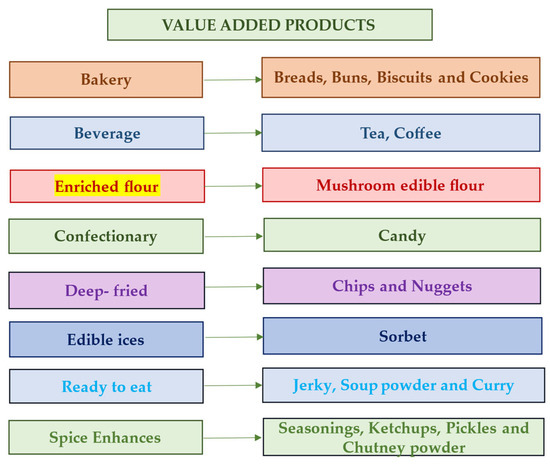
Figure 5. Value-added products prepared from edible mushrooms [105].
Value-added products such as muffins prepared with mushroom powder and white flour have been shown to increase protein, ash, crude fiber, and fat, making them healthier and more nutritious compared to traditional white flour muffins [140]. Functional mushroom cookies and biscuits were also formulated, containing higher nutritional values than those prepared from normal flour. Cookies prepared with Cordycepes militaris at concentrations of 1, 3, and 5%, respectively, exhibited increased phenolic and antioxidant contents. Additionally, these cookies showed higher levels of crude fiber, ash content, protein, and crude fat [142]. The incorporation of C. militar is flour caused the cookies to become softer, with the hardness slightly decreasing as the concentration of C. militaris flour increased (P > 0.05). The addition of C. militaris flour led to a distorted gluten network, which accounts for the decrease in hardness. Biscuits prepared with a combination of mushroom flour and wheat flour were shown to be more nutritious, with research showing that they can help control diabetes and treat protein–energy shortages. These biscuits also have low GI and GL. Similar to other value-added products, they showed an increase in protein content, ash content, crude fiber, and fat content [143]. The increased properties may be due to bioactive compounds found in wheat and mushroom flours that block alpha-amylase and alpha-glucosidase enzymes. Mushrooms’ high fiber content may help with hyperglycemia management. This conclusion is consistent with Owheruo’s (2023) discovery that a high-fiber diet lowers blood sugar levels. Nwosu (2022) discovered that those with type 2 diabetes who took a fiber-rich supplement had lower fasting blood glucose levels. According to these findings, mushroom biscuits have the potential to lower blood glucose levels, which may be advantageous for diabetic individuals and those managing hyperglycemia as well as other degenerative illnesses [142,143].
Bars with incorporated dried shiitake mushroom demonstrated hypocholesterolemia and hypoglycemic effects with no toxicity. When assessed for shelf life over 6 months, the bars indicated no significant changes in the microbiological parameters comprising coliforms, S. aureus, B. cereus, Và Salmonella sp., with each sample containing fewer than 10 colonies of microorganisms [144]. Similarly, “papad”, a trendy dehydrated snack in the Indian market, was fortified with mushroom powder, which increased its protein content, dietary fibers, phosphorous, and calcium [136].
6. Conclusions
Both underdeveloped and developing countries are facing grave issues of malnutrition, poverty, and food insecurity. The consumption and production of highly functional foods, such as mushrooms rich in nutrients and bioactive compounds and offering protection against various diseases, is a step toward address these food issues, as they offer protective and therapeutic benefits against many diseases. The bioactive compounds in mushrooms make them highly suitable for consumption through different sources like food, nutraceuticals, and medicine. Adding mushrooms to our daily diet boosts our nutrient intake by providing essential macro- and micronutrients, and bioactive compounds that are lacking in regular meals. Additionally, this study emphasizes the significant role of mushroom polysaccharides, polyphenols, terpenoids, and glycoproteins in promoting gut health, supporting the immune system, and exhibiting anticancer, antidiabetic, and inflammatory activities. However, further research is needed to elucidate the precise mechanism underlying these health benefits in humans. An in-depth evaluation of mushroom products and varieties in various geographical regions should be performed and technological advancements made for their correct utilization as foods and bioactive agents. Moreover, the production of mushroom-based snacks, beverages, soups, and sauces remains limited on a large scale, and these products often have a short shelf life; therefore, further research is essential to fully understand the potential and limitations of mushroom-based products on the market.
Sự đóng góp của tác giả
A.S.: original writing; conceptualization; data curation; formal analysis; funding acquisition; investigation, R.K.S.: reviewing and editing, A.K.: reviewing and editing, P.C.: reviewing and editing, and R.K.: project administration; resources; software; supervision; validation; visualization. All authors have read and agreed to the published version of the manuscript.
Kinh phí
This research received no external funding.
Institutional Review Board Statement
Not applicable.
Informed Consent Statement
Not applicable.
Data Availability Statement
No new data were created or analyzed in this study. Data sharing is not applicable to this article.
Sự nhìn nhận
We share our gratitude to UPES for providing us with all facilities, which included lab facilities, digital library facilities, and access to Science Direct, Google Scholar, PubMed, and all search engines used for writing this review.
Conflicts of Interest
We have no conflicts of interest with anyone.
Người giới thiệu
- Singh, M.P.; Rai, S.N.; Dubey, S.K.; Pandey, A.T.; Tabassum, N.; Chaturvedi, V.K.; Singh, N.B. Biomolecules of mushroom: A recipe of human wellness. Crit. Rev. Biotechnol. 2022, 42, 913–930. [Học giả Google] [Tham khảo chéo]
- Liu, S.; Liu, H.; Li, J.; Wang, Y. Research Progress on Elements of Wild Edible Mushrooms. J. Fungi 2022, 8, 964. [Học giả Google] [Tham khảo chéo] [PubMed]
- Bhagarathi, L.K.; Subramanian, G.; DaSilva, P.N.B. A review of mushroom cultivation and production, benefits and therapeutic potentials. World J. Biol. Pharm. Health Sci. 2023, 15, 01–056. [Học giả Google] [Tham khảo chéo]
- Raut, J.K.; Adhikari, M.K. Mushroom: A true super food. In Comprehensive Insights in Vegetables of Nepal; Nepal Academy of Science and Technology (NAST): Lalitpur, Nepal, 2021; pp. 201–234. [Học giả Google]
- Kousalya, K.; Krishnakumar, B.; Boomika, S.; Dharati, N.; Hemavathy, N. Edible Mushroom Identification Using Machine Learning. In Proceedings of the 2022 International Conference on Computer Communication and Informatics (ICCCI), Coimbatore, India, 25–27 January 2022. [Học giả Google]
- Risoli, S.; Nali, C.; Sarrocco, S.; Cicero, A.F.G.; Colletti, A.; Bosco, F.; Venturella, G.; Gadaleta, A.; Gargano, M.L.; Marcotuli, I. Mushroom-Based Supplements in Italy: Let’s Open Pandora’s Box. Chất dinh dưỡng 2023, 15, 776. [Học giả Google] [Tham khảo chéo] [PubMed]
- Landi, N.; Clemente, A.; Pedone, P.V.; Ragucci, S.; Di Maro, A. An Updated Review of Bioactive Peptides from Mushrooms in a Well-Defined Molecular Weight Range. Toxins 2022, 14, 84. [Học giả Google] [Tham khảo chéo] [PubMed]
- Rašeta, M.J.; Rakić, M.S.; Čapelja, E.V.; Karaman, M.A. Update on research data on the nutrient composition of mushrooms and their potentials in future human diets. In Food Chemistry, Function and Analysis: Edible Fungi: Chemical Composition, Nutrition and Health Effects; Stojković, D., Barros, L., Eds.; Royal Society of Chemistry: London, UK, 2022; pp. 27–67. [Học giả Google]
- Ghosal, A. Mushroom Cultivation: An Alternate Livelihood Option; Sasya Shyamala Krishi Vigyan Kendra, Ramakrishna Mission Vivekananda Educational and Research Institute: Arapanch, India, 2023; p. 24. [Học giả Google]
- Thakur, M.P. Advances in mushroom production: Key to food, nutritional and employment security: A review. Indian Phytopathol. 2020, 73, 377–395. [Học giả Google] [Tham khảo chéo]
- El Sheikha, A.F. Nutritional profile and health benefits of Ganoderma lucidum “Lingzhi, Reishi, or Man-nentake” as functional foods: Current scenario and future perspectives. Foods 2022, 11, 1030. [Học giả Google] [Tham khảo chéo] [PubMed]
- Suwannarach, N.; Kumla, J.; Zhao, Y.; Kakumyan, P. Impact of Cultivation Substrate and Microbial Community on Improving Mushroom Productivity: A Review. Biology 2022, 11, 569. [Học giả Google] [Tham khảo chéo] [PubMed]
- Mykchaylova, O.B.; Poyedinok, N.L.; Shchetinin, V.M. Screening of strains of the medicinal mushroom Fomitopsis officinalis (Vill.) Bondartsev & Singer promising for biotechnological use. Innovative Biosyst. Bioeng. 2022, 6, 110–118. [Học giả Google]
- Zeng, X.; Li, J.; Lyu, X.; Chen, T.; Chen, J.; Chen, X.; Guo, S. Utilization of functional agro-waste residues for oyster mushroom production: Nutritions and active ingredients in healthcare. Front. Plant Sci. 2023, 13, 1085022. [Học giả Google] [Tham khảo chéo] [PubMed]
- Kumla, J.; Suwannarach, N.; Sujarit, K.; Penkhrue, W.; Kakumyan, P.; Jatuwong, K.; Vadthanarat, S.; Lumyong, S. Cultivation of mushrooms and their lignocellulolytic enzyme production through the utilization of agro-industrial waste. Phân tử 2020, 25, 2811. [Học giả Google] [Tham khảo chéo] [PubMed]
- Zied, D.C.; Sánchez, J.E.; Noble, R.; Pardo-Giménez, A. Use of spent mushroom substrate in new mushroom crops to promote the transition towards a circular economy. Agronomy 2020, 10, 1239. [Học giả Google] [Tham khảo chéo]
- Ahmed, R.; Niloy, M.A.H.M.; Islam, M.S.; Reza, M.S.; Yesmin, S.; Rasul, S.B.; Khandakar, J. Optimizing tea waste as a sustainable substrate for oyster mushroom (Pleurotus ostreatus) cultivation: A comprehensive study on biological efficiency and nutritional aspect. Front. Sustain. Food Syst. 2024, 7, 1308053. [Học giả Google] [Tham khảo chéo]
- Chen, L.; Qian, L.; Zhang, X.; Li, J.; Zhang, Z.; Chen, X. Research progress on indoor environment of mushroom factory. Int. J. Agric. Biol. Eng. 2022, 15, 25–32. [Học giả Google] [Tham khảo chéo]
- Krupodorova, T.A.; Barshteyn, V.Y.; Sekan, A.S. Review of the basic cultivation conditions influence on the growth of basidiomycetes. Curr. Res. Environ. Appl. Mycol. 2021, 11, 494–531. [Học giả Google] [Tham khảo chéo]
- Martinez-Medina, G.A.; Chávez-González, M.L.; Verma, D.K.; Prado-Barragán, L.A.; Martínez-Hernández, J.L.; Flores-Gallegos, A.C.; Thakur, M.; Srivastav, P.P.; Aguilar, C.N. Bio-functional components in mushrooms, a health opportunity: Ergothionine and huitlacohe as recent trends. J. Funct. Foods 2021, 77, 104326. [Học giả Google] [Tham khảo chéo]
- Hu, Y.; Mortimer, P.E.; Hyde, K.D.; Kakumyan, P.; Thongklang, N. Mushroom cultivation for soil amendment and bioremediation. Circ. Agric. Syst. 2021, 1, 11. [Học giả Google] [Tham khảo chéo]
- Raman, J.; Jang, K.Y.; Oh, Y.L.; Oh, M.; Im, J.H.; Lakshmanan, H.; Sabaratnam, V. Cultivation and Nutritional Value of Prominent Pleurotus spp.: An Overview. Mycobiology 2021, 49, 1–14. [Học giả Google] [Tham khảo chéo]
- Arunachalam, K.; Sreeja, P.S.; Yang, X. The Antioxidant Properties of Mushroom Polysaccharides can Potentially Mitigate Oxidative Stress, Beta-Cell Dysfunction and Insulin Resistance. Đằng trước. Dược phẩm. 2022, 13, 874474. [Học giả Google] [Tham khảo chéo]
- Stastny, J.; Marsik, P.; Tauchen, J.; Bozik, M.; Mascellani, A.; Havlik, J.; Landa, P.; Jablonsky, I.; Treml, J.; Herczogova, P.; et al. Antioxidant and Anti-Inflammatory Activity of Five Medicinal Mushrooms of the Genus Pleurotus. Chất chống oxy hóa 2022, 11, 1569. [Học giả Google] [Tham khảo chéo]
- Araújo-Rodrigues, H.; Sousa, A.S.; Relvas, J.B.; Tavaria, F.K.; Pintado, M. An overview on mushroom polysaccharides: Health-promoting properties, prebiotic and gut microbiota modulation effects and structure-function correlation. Carbohydr. Polym. 2024, 333, 121978. [Học giả Google] [Tham khảo chéo] [PubMed]
- Bains, A.; Chawla, P.; Kaur, S.; Najda, A.; Fogarasi, M.; Fogarasi, S. Bioactives from mushroom: Health attributes and food industry applications. Nguyên vật liệu 2021, 14, 7640. [Học giả Google] [Tham khảo chéo]
- Chopra, H.; Mishra, A.K.; Baig, A.A.; Mohanta, T.K.; Mohanta, Y.K.; Baek, K.H. Narrative review: Bio-active potential of various mushrooms as the treasure of versatile therapeutic natural product. J. Fungi 2021, 7, 728. [Học giả Google] [Tham khảo chéo] [PubMed]
- Sachdeva, V.; Roy, A.; Bharadvaja, N. Current Prospects of Nutraceuticals: A Review. Curr. Pharm. Biotechnol. 2020, 21, 884–896. [Học giả Google] [Tham khảo chéo]
- Dimopoulou, M.; Kolonas, A.; Mourtakos, S.; Androutsos, O.; Gortzi, O. Nutritional composition and biological properties of sixteen edible mushroom species. Appl. Sci. 2022, 12, 8074. [Học giả Google] [Tham khảo chéo]
- Shbeeb, D.A.; Farahat, M.F.; Ismail, H.M. Macronutrients analysis of fresh and canned Nấm bào tử kép Và Pleurotus ostreatus mushroom species sold in Alexandria markets, Egypt. Egypt. Prog. Nutr 2019, 21, 203–209. [Học giả Google]
- Bandara, A.R.; Rapior, S.; Mortimer, P.E.; Kakumyan, P.; Hyde, K.D.; Xu, J. A review of the polysaccharide, protein and selected nutrient content of Auricularia, and their potential pharmacological value. Mycosphere J. 2019, 10, 579–607. [Học giả Google] [Tham khảo chéo]
- Rahman, M.A.; Masud, A.A.; Lira, N.Y.; Shakil, S. Proximate analysis, phytochemical screening and antioxidant activity of different strains of Auricularia auricula-judae (ear mushroom). Int. J. Tradit. Complement. Med. 2020, 5, 29. [Học giả Google]
- Sangthong, S.; Pintathong, P.; Pongsua, P.; Jirarat, A.; Chaiwut, P. Polysaccharides from Volvariella volvacea mushroom: Extraction, biological activities and cosmetic efficacy. J. Fungi 2022, 8, 572. [Học giả Google] [Tham khảo chéo] [PubMed]
- Subbiah, K.A.; Balan, V. A comprehensive review of tropical milky white mushroom (Calocybe indica P&C). Mycobiology 2015, 43, 184–194. [Học giả Google] [PubMed]
- Mišković, J.; Rašeta, M.; Krsmanović, N.; Karaman, M. Update on mycochemical profile and selected biological activities of genus Schizophyllum Fr. 1815. Microbiol. Res. 2023, 14, 409–429. [Học giả Google] [Tham khảo chéo]
- Gharib, M.A.A.; Elhassaneen, Y.A.E.E.; Radwan, H. Nutrients and nutraceuticals content and in vitro biological activities of reishi mushroom (Ganoderma lucidum) fruiting bodies. Alex. Sci. Exch. J. 2022, 43, 301–316. [Học giả Google] [Tham khảo chéo]
- Nwe, M.L.; Zin, T.T. Phytochemistry and pharmacological studies on Flammulina velutipes (Curtis). Int. J. Sci. Res. Eng. Dev. 2020, 3, 32–37. [Học giả Google]
- Wu, J.Y.; Siu, K.C.; Geng, P. Bioactive ingredients and medicinal values of Grifola frondosa (Maitake). Foods 2021, 10, 95. [Học giả Google] [Tham khảo chéo]
- Ponnusamy, C.; Uddandrao, V.V.S.; Pudhupalayam, S.P.; Singaravel, S.; Periyasamy, T.; Ponnusamy, P.; Prabhu, P.; Sasikumar, V.; Ganapathy, S. Lentinula edodes (edible mushroom) as a nutraceutical: A review. Biosci. Biotechnol. Res. Asia 2022, 19, 1–11. [Học giả Google] [Tham khảo chéo]
- Łysakowska, P.; Sobota, A.; Wirkijowska, A. Medicinal mushrooms: Their bioactive components, nutritional value and application in functional food production—A review. Phân tử 2023, 28, 5393. [Học giả Google] [Tham khảo chéo]
- Leong, Y.K.; Yang, F.C.; Chang, J.S. Extraction of polysaccharides from edible mushrooms: Emerging technologies and recent advances. Carbohydr. Polym. 2021, 251, 117006. [Học giả Google] [Tham khảo chéo] [PubMed]
- Seo, D.J.; Choi, C. Antiviral bioactive compounds of mushrooms and their antiviral mechanisms: A review. Viruses 2021, 13, 350. [Học giả Google] [Tham khảo chéo] [PubMed]
- Yu, C.; Dong, Q.; Chen, M.; Zhao, R.; Zha, L.; Zhao, Y.; Zhang, M.; Zhang, B.; Ma, A. The effect of mushroom dietary fiber on the gut microbiota and related health benefits: A review. J. Fungi 2023, 9, 1028. [Học giả Google] [Tham khảo chéo]
- Asadpoor, M.; Ithakisiou, G.N.; Henricks, P.A.; Pieters, R.; Folkerts, G.; Braber, S. Non-digestible oligosaccharides and short chain fatty acids as therapeutic targets against enterotoxin-producing bacteria and their toxins. Toxins 2021, 13, 175. [Học giả Google] [Tham khảo chéo] [PubMed]
- Asadpoor, M.; Peeters, C.; Henricks, P.A.; Varasteh, S.; Pieters, R.J.; Folkerts, G.; Braber, S. Anti-pathogenic functions of non-digestible oligosaccharides in vitro. Chất dinh dưỡng 2020, 12, 1789. [Học giả Google] [Tham khảo chéo] [PubMed]
- Yang, S.; Wu, C.; Yan, Q.; Li, X.; Jiang, Z. Nondigestible functional oligosaccharides: Enzymatic production and food applications for intestinal health. Annu. Rev. Food Sci. Technol. 2023, 14, 297–322. [Học giả Google] [Tham khảo chéo] [PubMed]
- Pandey, M.; Satisha, G.C.; Azeez, S.; Kumaran, G.S.; Chandrashekara, C. Mushrooms for integrated and diversified nutrition. J. Hortic. Sci. 2022, 17, 6–18. [Học giả Google] [Tham khảo chéo]
- Antunes, F.; Marçal, S.; Taofiq, O.; Morais, A.M.M.B.; Freitas, A.C.; Ferreira, I.C.F.R.; Pintado, M. Valorization of mushroom by-products as a source of value-added compounds and potential applications. Phân tử 2020, 25, 2672. [Học giả Google] [Tham khảo chéo] [PubMed]
- Chugh, R.M.; Mittal, P.; Mp, N.; Arora, T.; Bhattacharya, T.; Chopra, H.; Cavalu, S.; Gautam, R.K. Fungal mushrooms: A natural compound with therapeutic applications. Đằng trước. Dược phẩm. 2022, 13, 925387. [Học giả Google] [Tham khảo chéo]
- Assemie, A.; Abaya, G. The Effect of Edible Mushroom on Health and Their Biochemistry. Int. J. Microbiol. 2022, 2022, 8744788. [Học giả Google] [Tham khảo chéo]
- Pathak, M.P.; Pathak, K.; Saikia, R.; Gogoi, U.; Ahmad, M.Z.; Patowary, P.; Das, A. Immunomodulatory effect of mushrooms and their bioactive compounds in cancer: A comprehensive review. Sinh học. Dược sĩ. 2022, 149, 112901. [Học giả Google] [Tham khảo chéo] [PubMed]
- Singh, R.S.; Walia, A.K.; Kennedy, J.F. Mushroom lectins in biomedical research and development. Int. J. Biol. Macromol. 2020, 151, 1340–1350. [Học giả Google] [Tham khảo chéo] [PubMed]
- Łusarczyk, J.; Adamska, E.; Czerwik-Marcinkowska, J. Fungi and algae as sources of medicinal and other biologically active compounds: A review. Chất dinh dưỡng 2021, 13, 3178. [Học giả Google] [Tham khảo chéo]
- Ayimbila, F.; Keawsompong, S. Nutritional Quality and Biological Application of Mushroom Protein as a Novel Protein Alternative. Curr. Nutr. Rep. 2023, 12, 290–307. [Học giả Google] [Tham khảo chéo]
- Päivärinta, E.; Itkonen, S.T.; Pellinen, T.; Lehtovirta, M.; Erkkola, M.; Pajari, A.M. Replacing animal-based proteins with plant-based proteins changes the composition of a whole Nordic diet—A randomised clinical trial in healthy Finnish adults. Chất dinh dưỡng 2020, 12, 943. [Học giả Google] [Tham khảo chéo] [PubMed]
- Gorissen, S.H.; Crombag, J.J.; Senden, J.M.; Waterval, W.H.; Bierau, J.; Verdijk, L.B.; van Loon, L.J. Protein content and amino acid composition of commercially available plant-based protein isolates. Amino Acids 2018, 50, 1685–1695. [Học giả Google] [Tham khảo chéo] [PubMed]
- Langyan, S.; Yadava, P.; Khan, F.N.; Dar, Z.A.; Singh, R.; Kumar, A. Sustaining protein nutrition through plant-based foods. Front. Nutr. 2022, 8, 772573. [Học giả Google] [Tham khảo chéo] [PubMed]
- Qiu, Y.; Lin, G.; Liu, W.; Zhang, F.; Linhardt, R.J.; Wang, X.; Zhang, A. Bioactive compounds in Hericium erinaceus and their biological properties: A review. Food Sci. Hum. Wellness 2024, 13, 1825–1844. [Học giả Google] [Tham khảo chéo]
- Kostanda, E.; Musa, S.; Pereman, I. Unveiling the Chemical Composition and Biofunctionality of Hericium spp. Fungi: A Comprehensive Overview. Int. J. Mol. Khoa học. 2024, 25, 5949. [Học giả Google] [Tham khảo chéo]
- Venturella, G.; Ferraro, V.; Cirlincione, F.; Gargano, M.L. Medicinal mushrooms: Bioactive compounds, use, and clinical trials. Int. J. Mol. Khoa học. 2021, 22, 634. [Học giả Google] [Tham khảo chéo]
- Gu, H.; Liang, L.; Kang, Y.; Yu, R.; Wang, J.; Fan, D. Preparation, characterization, and property evaluation of Hericium erinaceus peptide–calcium chelate. Front. Nutr. 2024, 10, 1337407. [Học giả Google] [Tham khảo chéo]
- Jovanović, J.A.; Mihailović, M.; Uskoković, A.; Grdović, N.; Dinić, S.; Vidaković, M. The effects of major mushroom bioactive compounds on mechanisms that control blood glucose level. J. Fungi 2021, 7, 58. [Học giả Google] [Tham khảo chéo] [PubMed]
- Liu, X.; Huang, Y.; Wang, J.; Zhou, S.; Wang, Y.; Cai, M.; Yu, L. A study on the antioxidant properties and stability of ergothioneine from culinary-medicinal mushrooms. Int. J. Med. Mushrooms 2020, 22, 211–220. [Học giả Google] [Tham khảo chéo] [PubMed]
- Kalaras, M.D.; Richie, J.P.; Calcagnotto, A.; Beelman, R.B. Mushrooms: A rich source of the antioxidants ergothioneine and glutathione. Hóa chất thực phẩm. 2017, 233, 429–433. [Học giả Google] [Tham khảo chéo] [PubMed]
- Lam-Sidun, D.; Peters, K.M.; Borradaile, N.M. Mushroom-derived medicine? Preclinical studies suggest potential benefits of ergothioneine for cardiometabolic health. Int. J. Mol. Khoa học. 2021, 22, 3246. [Học giả Google] [Tham khảo chéo]
- Amaranthus, M. A Mushroom-derived Compound that Could Change your Life: Ergothioneine. Food Nutr. J. 2023, 8, 282. [Học giả Google]
- Sinha, S.K.; Upadhyay, T.K.; Sharma, S.K. Nutritional-medicinal profile and quality categorization of fresh white button mushroom. Biointerface Res. Appl. Chem 2021, 11, 8669–8685. [Học giả Google]
- Saini, R.K.; Rauf, A.; Khalil, A.A.; Ko, E.-Y.; Keum, Y.-S.; Anwar, S.; Alamri, A.; Rengasamy, K.R. Edible mushrooms show significant differences in sterols and fatty acid compositions. S. Afr. J. Bot. 2021, 141, 344–356. [Học giả Google] [Tham khảo chéo]
- Rangel-Vargas, E.; Rodriguez, J.A.; Domínguez, R.; Lorenzo, J.M.; Sosa, M.E.; Andrés, S.C.; Rosmini, M.; Pérez-Alvarez, J.A.; Teixeira, A.; Santos, E.M. Edible mushrooms as a natural source of food ingredient/additive replacer. Foods 2021, 10, 2687. [Học giả Google] [Tham khảo chéo]
- Awfa, A.; Amany, K.; Fahmida, K.; Farida, K.; Saud, A.; Sohair, S.; Somaia, I.; Mohammed, E.E.; Ahmed, G.; Saud, A.; et al. Nutrition Value of Mushroom Intake And Its Impact On Human Health. Int. Neurourol. J. 2024, 27, 12–17. [Học giả Google]
- Abdelshafy, A.M.; Belwal, T.; Liang, Z.; Wang, L.; Li, D.; Luo, Z.; Li, L. A comprehensive review on phenolic compounds from edible mushrooms: Occurrence, biological activity, application and future prospective. Crit. Rev. Food Sci. Nutr. 2022, 62, 6204–6224. [Học giả Google] [Tham khảo chéo]
- Cateni, F.; Gargano, M.L.; Procida, G.; Venturella, G.; Cirlincione, F.; Ferraro, V. Mycochemicals in wild and cultivated mushrooms: Nutrition and health. Phytochem. Rev. 2022, 21, 339–383. [Học giả Google] [Tham khảo chéo]
- Niazi, A.R.; Ghafoor, A. Different ways to exploit mushrooms: A review. All Life 2021, 14, 450–460. [Học giả Google] [Tham khảo chéo]
- Sharif, S.; Mustafa, G.; Munir, H.; Weaver, C.M.; Jamil, Y.; Shahid, M. Proximate composition and micro-nutrient mineral profile of wild Ganoderma lucidum and four commercial exotic mushrooms by ICP-OES and LIBS. J. Food Nutr. Res. 2016, 4, 703–708. [Học giả Google]
- Dawadi, E.; Magar, P.B.; Bhandari, S.; Subedi, S.; Shrestha, S.; Shrestha, J. Nutritional and post-harvest quality preservation of mushrooms: A review. Heliyon 2022, 8, e12093. [Học giả Google] [Tham khảo chéo] [PubMed]
- Motta, F.; Gershwin, M.E.; Selmi, C. Mushrooms and immunity. J. Autoimmun. 2021, 117, 102576. [Học giả Google] [Tham khảo chéo] [PubMed]
- Zhou, Z.; Liang, S.; Zou, X.; Teng, Y.; Wang, W.; Fu, L. Determination of Phenolic Acids Using Ul-tra-High-Performance Liquid Chromatography Coupled with Triple Quadrupole (UHPLC-QqQ) in Fruiting Bodies of Sanghuangporus baumii (Pilát) LW Zhou and YC Dai. Plants 2023, 12, 3565. [Học giả Google] [Tham khảo chéo]
- Sova, M.; Saso, L. Natural sources, pharmacokinetics, biological activities and health benefits of hy-droxycinnamic acids and their metabolites. Chất dinh dưỡng 2020, 12, 2190. [Học giả Google] [Tham khảo chéo] [PubMed]
- Naim, M.J. A review on mushrooms as a versatile therapeutic agent with emphasis on its bioactive con-stituents for anticancer and antioxidant potential. Explor. Med. 2024, 5, 312–330. [Học giả Google] [Tham khảo chéo]
- Park, H.J. Current uses of mushrooms in cancer treatment and their anticancer mechanisms. Int. J. Mol. Khoa học. 2022, 23, 10502. [Học giả Google] [Tham khảo chéo]
- Zhu, F.; Zhang, Q.; Feng, J.; Zhang, X.; Li, T.; Liu, S.; Chen, Y.; Li, X.; Wu, Q.; Xue, Y.; et al. β-Glucan produced by Lentinus edodes suppresses breast cancer progression via the inhibition of macrophage M2 polarization by integrating au-tophagy and inflammatory signals. Immun. Inflamm. Dis. 2023, 11, e876. [Học giả Google] [Tham khảo chéo]
- Ahmed Elkhateeb, W.; Mosbah Daba, G. Medicinal mushroom: What should we know? Int. J. Pharm. Chem. Anal. 2022, 9, 1–9. [Học giả Google] [Tham khảo chéo]
- Rani, M.; Mondal, S.M.; Kundu, P.; Thakur, A.; Chaudhary, A.; Vashistt, J.; Shankar, J. Edible mushroom: Occurrence, management and health benefits. Food Mater. Res. 2023, 3, 21. [Học giả Google] [Tham khảo chéo]
- Sławińska, A.; Sołowiej, B.G.; Radzki, W.; Fornal, E. Wheat Bread Supplemented with Nấm bào tử kép Powder: Effect on Bioactive Substances Content and Technological Quality. Foods 2022, 11, 3786. [Học giả Google] [Tham khảo chéo] [PubMed]
- Rowaiye, A.; Wilfred, O.I.; Onuh, O.A.; Bur, D.; Oni, S.; Nwonu, E.J.; Ibeanu, G.; Oli, A.N.; Wood, T.T. Modulatory Effects of Mushrooms on the Inflammatory Signaling Pathways and Pro-inflammatory Mediators. Clin. Complement. Med. Pharmacol. 2022, 2, 100037. [Học giả Google] [Tham khảo chéo]
- Elhusseiny, S.M.; El-Mahdy, T.S.; Elleboudy, N.S.; Farag, M.M.S.; Aboshanab, K.M.; Yassien, M.A. Immunomodulatory activity of extracts from five edible basidiomycetes mushrooms in Wistar albino rats. Khoa học. Trả lời. 2022, 12, 12423. [Học giả Google] [Tham khảo chéo]
- Fang, D.; Wang, D.; Ma, G.; Ji, Y.; Zheng, H.; Chen, H.; Zhao, M.; Hu, Q.; Zhao, L. Auricularia polytricha noodles prevent hyperlipemia and modulate gut microbiota in high-fat diet fed mice. Food Sci. Hum. Wellness 2021, 10, 431–441. [Học giả Google] [Tham khảo chéo]
- Miao, J.; Regenstein, J.M.; Qiu, J.; Zhang, J.; Zhang, X.; Li, H.; Zhang, H.; Wang, Z. Isolation, structural characterization and bioactivities of polysaccharides and its derivatives from Auricularia-A review. Int. J. Biol. Macromol. 2020, 150, 102–113. [Học giả Google] [Tham khảo chéo] [PubMed]
- Su, Y.; Li, L. Structural characterization and antioxidant activity of polysaccharide from four auriculariales. Carbohydr. Polym. 2020, 229, 115407. [Học giả Google] [Tham khảo chéo] [PubMed]
- Ghosh, K. A Review on Edible Straw Mushrooms: A Source of High Nutritional Supplement, Biologically Active Diverse Structural Polysaccharides. J. Sci. Res. 2020, 64, 295–304. [Học giả Google] [Tham khảo chéo]
- Chelladurai, G.; Yadav, T.K.; Pathak, R.K. Chemical composition and nutritional value of paddy straw milky mushroom (Calocybe indica). Nat. Environ. Pollut. Technol. 2021, 20, 1157–1164. [Học giả Google] [Tham khảo chéo]
- Shashikant, M.; Bains, A.; Chawla, P.; Fogarasi, M.; Fogarasi, S. The Current Status, Bioactivity, Food, and Pharmaceutical Approaches of Calocybe indica: A Review. Chất chống oxy hóa 2022, 11, 1145. [Học giả Google] [Tham khảo chéo]
- Chen, Z.; Yin, C.; Fan, X.; Ma, K.; Yao, F.; Zhou, R.; Shi, D.; Cheng, W.; Gao, H. Characterization of physicochemical and biological properties of Schizophyllum commune polysaccharide extracted with different methods. Int. J. Biol. Macromol. 2020, 156, 1425–1434. [Học giả Google] [Tham khảo chéo]
- Wongaem, A.; Reamtong, O.; Srimongkol, P.; Sangtanoo, P.; Saisavoey, T.; Karnchanatat, A. Antioxidant properties of peptides obtained from the split gill mushroom (Schizophyllum commune). J. Food Sci. Technol. 2021, 58, 680–691. [Học giả Google] [Tham khảo chéo]
- Ahmad, R.; Riaz, M.; Khan, A.; Aljamea, A.; Algheryafi, M.; Sewaket, D.; Alqathama, A. Ganoderma lucidum (Reishi) an edible mushroom; a comprehensive and critical review of its nutritional, cosmeceutical, mycochemical, pharmacological, clinical, and toxicological properties. Phytother. Res. 2021, 35, 6030–6062. [Học giả Google] [Tham khảo chéo] [PubMed]
- Pattanayak, S.; Das, S.; Biswal, G. Ganoderma: The wild mushroom with wonderful health benefits. J. Pharmacogn. Phytochem. 2020, 9, 313–316. [Học giả Google] [Tham khảo chéo]
- Aursuwanna, T.; Noitang, S.; Sangtanoo, P.; Srimongkol, P.; Saisavoey, T.; Puthong, S.; Reamtong, O.; Karnchanatat, A. Investigating the cellular antioxidant and anti-inflammatory effects of the novel peptides in lingzhi mushrooms. Heliyon 2022, 8, e11067. [Học giả Google] [Tham khảo chéo] [PubMed]
- Cör Andrejč, D.; Knez, Ž.; Knez Marevci, M. Antioxidant, antibacterial, antitumor, antifungal, antiviral, anti-inflammatory, and nevro-protective activity of Ganoderma lucidum: An overview. Đằng trước. Dược phẩm. 2022, 13, 934982. [Học giả Google] [Tham khảo chéo] [PubMed]
- Li, C.; Wu, G.; Zhao, H.; Dong, N.; Wu, B.; Chen, Y.; Lu, Q. Natural-Derived Polysaccharides From Plants, Mushrooms, and Seaweeds for the Treatment of Inflammatory Bowel Disease. Đằng trước. Dược phẩm. 2021, 12, 651813. [Học giả Google] [Tham khảo chéo]
- Desisa, B.; Muleta, D.; Jida, M.; Dejene, T.; Goshu, A.; Negi, T.; Martin-Pinto, P. Improvement of nutritional composition of shiitake mushroom (Lentinula edodes) using formulated substrates of plant and animal origins. Future Foods 2024, 9, 100302. [Học giả Google] [Tham khảo chéo]
- Banerjee, D.K.; Das, A.K.; Banerjee, R.; Pateiro, M.; Nanda, P.K.; Gadekar, Y.P.; Biswas, S.; McClements, D.J.; Lorenzo, J.M. Application of enoki mushroom (Flammulina velutipes) stem wastes as functional ingredients in goat meat nuggets. Foods 2020, 9, 432. [Học giả Google] [Tham khảo chéo] [PubMed]
- Das, A.K.; Nanda, P.K.; Dandapat, P.; Bandyopadhyay, S.; Gullón, P.; Sivaraman, G.K.; McClements, D.J.; Gullón, B.; Lorenzo, J.M. Edible mushrooms as functional ingredients for development of healthier and more sustainable muscle foods: A flexitarian approach. Phân tử 2021, 26, 2463. [Học giả Google] [Tham khảo chéo]
- González-Quero, N.; Martínez, P. Bioactive compounds in some principal mushrooms: An association to adverse effects. GSC Adv. Res. Rev. 2020, 5, 031–047. [Học giả Google] [Tham khảo chéo]
- Tachabenjarong, N.; Rungsardthong, V.; Ruktanonchi, U.; Poodchakarn, S.; Thumthanaruk, B.; Vatanyoopaisarn, S.; Suttisintong, K.; Iempridee, T.; Uttapap, D. Bioactive compounds and antioxidant activity of Lion’s Mane mushroom (Hericium erinaceus) from different growth periods. E3S Web Conf. 2022, 355, 02016. [Học giả Google] [Tham khảo chéo]
- Yadav, D.; Negi, P.S. Bioactive components of mushrooms: Processing effects and health benefits. Food Res. Int. 2021, 148, 110599. [Học giả Google] [Tham khảo chéo] [PubMed]
- Li, M.; Yu, L.; Zhao, J.; Zhang, H.; Chen, W.; Zhai, Q.; Tian, F. Role of dietary edible mushrooms in the modulation of gut microbiota. J. Funct. Foods 2021, 83, 104538. [Học giả Google] [Tham khảo chéo]
- Singh, R.P.; Bhardwaj, A. β-glucans: A potential source for maintaining gut microbiota and the immune system. Front. Nutr. 2023, 10, 1143682. [Học giả Google] [Tham khảo chéo]
- Murphy, E.J.; Rezoagli, E.; Major, I.; Rowan, N.J.; Laffey, J.G. β-glucan metabolic and immunomodulatory properties and potential for clinical application. J. Fungi 2020, 6, 356. [Học giả Google] [Tham khảo chéo] [PubMed]
- Elkhateeb, W.A. What Medicinal Mushroom Can Do? Chem. Res. J. 2020, 5, 106–118. [Học giả Google]
- Reis, F.S.; Hu, Y.; Fernandes, T.H. Mushrooms as future generation healthy foods. Front. Nutr. 2022, 9, 1050099. [Học giả Google]
- Cardoso, R.V.; Oludemi, T.; Fernandes, Â.; Ferreira, I.C.; Barros, L. Bioactive Properties of Mushrooms with Potential Health Benefits; The Royal Society of Chemistry: London, UK, 2022. [Học giả Google]
- Yin, C.; Noratto, G.D.; Fan, X.; Chen, Z.; Yao, F.; Shi, D.; Gao, H. The Impact of Mushroom Polysaccharides on Gut Microbiota and Its Beneficial Effects to Host: A Review. Carbohydr. Polym. 2020, 250, 116942. [Học giả Google] [Tham khảo chéo]
- Ambhore, J.P.; Adhao, V.S.; Rafique, S.S.; Telgote, A.A.; Dhoran, R.S.; Shende, B.A. A concise review: Edible mushroom and their medicinal significance. Explor. Foods Foodomics 2024, 2, 183–194. [Học giả Google] [Tham khảo chéo]
- Bhambri, A.; Srivastava, M.; Mahale, V.G.; Mahale, S.; Karn, S.K. Mushrooms as Potential Sources of Active Metabolites and Medicines. Front. Microbiol. 2022, 13, 837266. [Học giả Google] [Tham khảo chéo]
- Yin, Z.; Zhang, J.; Qin, J.; Guo, L.; Guo, Q.; Kang, W.; Ma, C.; Chen, L. Anti-inflammatory properties of poly-saccharides from edible fungi on health-promotion: A review. Đằng trước. Dược phẩm. 2024, 15, 1447677. [Học giả Google] [Tham khảo chéo] [PubMed]
- Hetland, G.; Tangen, J.M.; Mahmood, F.; Mirlashari, M.R.; Nissen-Meyer, L.S.; Nentwich, I.; Therkelsen, S.P.; Tjønnfjord, G.E.; Johnson, E. Antitumor, anti-inflammatory and antiallergic effects of Agaricus blazei mushroom extract and the related medicinal basidiomycetes mushrooms, Hericium erinaceus Và Grifola frondosa: A review of preclinical and clinical studies. Chất dinh dưỡng 2020, 12, 1339. [Học giả Google] [Tham khảo chéo] [PubMed]
- Sharifi-Rad, J.; Butnariu, M.; Ezzat, S.M.; Adetunji, C.O.; Imran, M.; Sobhani, S.R.; Tufail, T.; Hosseinabadi, T.; Ramírez-Alarcón, K.; Martorell, M.; et al. Mushrooms-Rich Preparations on Wound Healing: From Nutritional to Medicinal Attributes. Đằng trước. Dược phẩm. 2020, 11, 567518. [Học giả Google] [Tham khảo chéo] [PubMed]
- Lee, J.; Park, Y. Self-Healing Properties of Fibers Constructed from Mushroom-Derived Chitinous Polymers. ACS Sustain. Chem. Eng. 2023, 11, 2959–2967. [Học giả Google] [Tham khảo chéo]
- Zhao, J.; Hu, Y.; Qian, C.; Hussain, M.; Liu, S.; Zhang, A.; He, R.; Sun, P. The Interaction between Mushroom Polysaccharides and Gut Microbiota and Their Effect on Human Health: A Review. Biology 2023, 12, 122. [Học giả Google] [Tham khảo chéo]
- Sivanesan, I.; Muthu, M.; Gopal, J.; Oh, J.W. Mushroom polysaccharide-assisted anticarcinogenic myco-therapy: Reviewing its clinical trials. Phân tử 2022, 27, 4090. [Học giả Google] [Tham khảo chéo] [PubMed]
- Fan, J.; Zhu, J.; Zhu, H.; Zhang, Y.; Xu, H. Potential therapeutic target for polysaccharide inhibition of colon cancer progression. Front. Med. 2024, 10, 1325491. [Học giả Google] [Tham khảo chéo] [PubMed]
- Paludan, S.R.; Pradeu, T.; Masters, S.L.; Mogensen, T.H. Constitutive immune mechanisms: Mediators of host defence and immune regulation. Nat. Rev. Immunol. 2021, 21, 137–150. [Học giả Google] [Tham khảo chéo] [PubMed]
- Li, W.; Zhou, Q.; Lv, B.; Li, N.; Bian, X.; Chen, L.; Kong, M.; Shen, Y.; Zheng, W.; Zhang, J.; et al. Ganoderma lucidum Polysaccharide Supplementation Significantly Activates T-Cell-Mediated Antitumor Immunity and Enhances Anti-PD-1 Immunotherapy Efficacy in Colorectal Cancer. J. Agric. Food Chem. 2024, 72, 12072–12082. [Học giả Google] [Tham khảo chéo]
- Hilszczańska, D. Healing Properties of Edible Mushrooms. In Advances in Macrofungi; CRC Press: Boca Raton, FL, USA, 2021; pp. 39–51. [Học giả Google]
- Liu, M.M.; Liu, T.; Yeung, S.; Wang, Z.; Andresen, B.; Parsa, C.; Orlando, R.; Zhou, B.; Wu, W.; Li, X.; et al. Inhibitory activity of medicinal mushroom Ganoderma lucidum on colorectal cancer by attenuating inflammation. Precis. Clin. Med. 2021, 4, 231–245. [Học giả Google] [Tham khảo chéo]
- Zhong, Y.; Tan, P.; Lin, H.; Zhang, D.; Chen, X.; Pang, J.; Mu, R. A review of Ganoderma lucidum polysaccharide: Preparations, structures, physicochemical properties and application. Foods 2024, 13, 2665. [Học giả Google] [Tham khảo chéo]
- Xu, H.; Zou, S.; Xu, X. The β-glucan from Lentinula edodes suppresses cell proliferation and promotes apoptosis in estrogen receptor positive breast cancers. Oncotarget 2017, 8, 86693. [Học giả Google] [Tham khảo chéo] [PubMed]
- An, X.; Yu, W.; Liu, J.; Tang, D.; Yang, L.; Chen, X. Oxidative cell death in cancer: Mechanisms and therapeutic opportunities. Cell Death Dis. 2024, 15, 556. [Học giả Google] [Tham khảo chéo] [PubMed]
- Rangsinth, P.; Sharika, R.; Pattarachotanant, N.; Duangjan, C.; Wongwan, C.; Sillapachaiyaporn, C.; Nilkhet, S.; Wongsirojkul, N.; Prasansuklab, A.; Tencomnao, T.; et al. Potential beneficial effects and pharmacological properties of ergosterol, a common bioactive compound in edible mushrooms. Foods 2023, 12, 2529. [Học giả Google] [Tham khảo chéo] [PubMed]
- Sutthisa, W.; Anujakkawan, S. Antibacterial Potential of Oyster Mushroom (Pleurotus ostreatus (Jacq. Ex Fr.) P. Kumm.) Extract against Pathogenic Bacteria. J. Pure Appl. Microbiol. 2023, 17, 1907–1915. [Học giả Google] [Tham khảo chéo]
- Effiong, M.E.; Umeokwochi, C.P.; Afolabi, I.S.; Chinedu, S.N. Comparative antioxidant activity and phytochemical content of five extracts of Pleurotus ostreatus (oyster mushroom). Khoa học. Trả lời. 2024, 14, 3794. [Học giả Google] [Tham khảo chéo] [PubMed]
- Lesa, K.N.; Khandaker, M.U.; Mohammad Rashed Iqbal, F.; Sharma, R.; Islam, F.; Mitra, S.; Emran, T. Nutritional Value, Medicinal Importance, and Health-Promoting Effects of Dietary Mushroom (Pleurotus ostreatus). J. Food Qual. 2022, 2022, 2454180. [Học giả Google] [Tham khảo chéo]
- Zhang, S.; Lin, L.; Yun, Z.; Ye, F.Y.; Zhao, G. Roles of mushroom polysaccharides in chronic disease management. J. Integr. Agric. 2022, 21, 1839–1866. [Học giả Google] [Tham khảo chéo]
- Das, A.; Chen, C.M.; Mu, S.C.; Yang, S.H.; Ju, Y.M.; Li, S.C. Medicinal Components in Edible Mushrooms on Diabetes Mellitus Treatment. Pharmaceutics 2022, 14, 436. [Học giả Google] [Tham khảo chéo]
- Erdoğan Eliuz, E.A. Antibacterial activity and antibacterial mechanism of ethanol extracts of Lentinula edodes (Shiitake) and Nấm bào tử kép (button mushroom). Int. J. Environ. Health Res. 2022, 32, 1828–1841. [Học giả Google] [Tham khảo chéo] [PubMed]
- Törős, G.; El-Ramady, H.; Prokisch, J.; Velasco, F.; Llanaj, X.; Nguyen, D.H.H.; Peles, F. Modulation of the Gut Microbiota with Prebiotics and Antimicrobial Agents from Pleurotus ostreatus Mushroom. Foods 2023, 12, 2010. [Học giả Google] [Tham khảo chéo] [PubMed]
- Ruilova, M.; Niño-Ruiz, Z.; Sanbria, J.; Montero, D.; Salazar, S.; Bayas, F.; Sandoval, R. Antimicrobial activity of Lentinula edodes mushroom extracts against pathogenic bacteria. Ital. J. Food Sci. 2019, 31, 179–189. [Học giả Google]
- Baptista, F.; Campos, J.; Costa-Silva, V.; Pinto, A.R.; Saavedra, M.J.; Ferreira, L.M.; Rodrigues, M.; Barros, A.N. Nutraceutical potential of Lentinula edodes’ spent mushroom substrate: A comprehensive study on phenolic composition, antioxidant activity, and antibacterial effects. J. Fungi 2023, 9, 1200. [Học giả Google] [Tham khảo chéo] [PubMed]
- Nagulwar, M.M.; More, D.R.; Mandhare, L.L. Nutritional properties and value addition of mushroom: A review. Pharma Innov. 2020, 9, 395–398. [Học giả Google]
- Farooq, M.; Rakha, A.; Hassan, J.U.; Solangi, I.A.; Shakoor, A.; Bakhtiar, M.; Khan, M.N.; Khan, S.; Ahmad, I.; Ahmed, S.; et al. Physicochemical and Nutritional Characterization of Mushroom Powder Enriched Muffins. J. Innov. Sci. 2021, 7, 110–120. [Học giả Google] [Tham khảo chéo]
- Kaur, K.; Sharma, R.; Srivastava, I.; Kaur, S.; Mehrotra, R. Edible Mushrooms: Nature’s superfood for health and wellbeing. Int. J. Innov. Multidiscip. Res. 2022, 1, 40–53. [Học giả Google]
- Chen, C.; Han, Y.; Li, S.; Wang, R.; Tao, C. Nutritional, antioxidant, and quality characteristics of novel cookies enriched with mushroom (Cordyceps militaris) flour. CYTA J. Food 2021, 19, 137–145. [Học giả Google] [Tham khảo chéo]
- Owheruo, J.O.; Edo, G.I.; Oluwajuyitan, D.T.; Faturoti, A.O.; Martins, I.E.; Akpoghelie, P.O.; Agbo, J.J. Quality evaluation of value-added nutritious biscuit with high antidiabetic properties from blends of wheat flour and oyster mushroom. Food Chem. Adv. 2023, 3, 100375. [Học giả Google] [Tham khảo chéo]
- Spim, S.R.V.; Castanho, N.R.C.M.; Pistila, A.M.H.; Jozala, A.F.; Oliveira Júnior, J.M.; Grotto, D. Lentinula edodes mushroom as an ingredient to enhance the nutritional and functional properties of cereal bars. J. Food Sci. Technol. 2021, 58, 1349–1357. [Học giả Google] [Tham khảo chéo]
|
Disclaimer/Publisher’s Note: The statements, opinions and data contained in all publications are solely those of the individual author(s) and contributor(s) and not of FarLong and/or the editor(s). FarLong and/or the editor(s) disclaim responsibility for any injury to people or property resulting from any ideas, methods, instructions or products referred to in the content.
|



 Vietnamese
  English
  Chinese
  Spanish
  Korean
  Japanese
  Thai
Thai  French